
Micaela
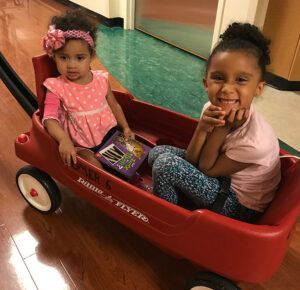
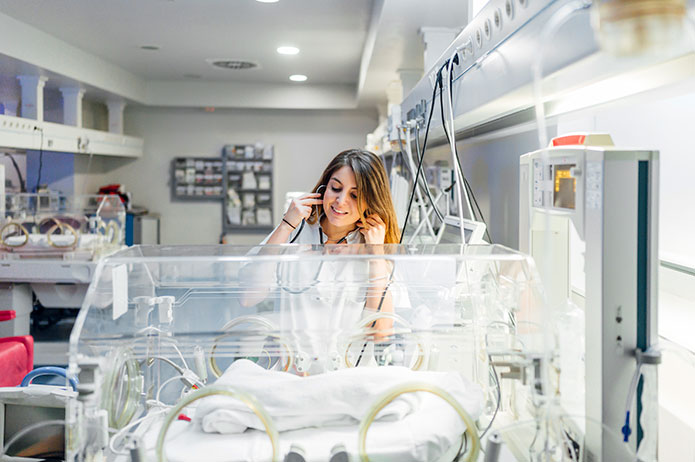
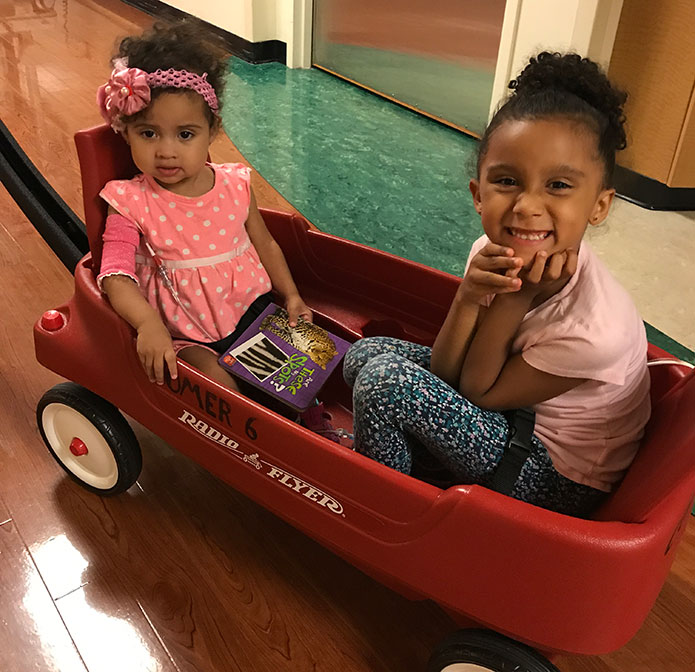
I lived for about two weeks in the hospital, in a room with all the comforts provided for parents with children in the intensive care unit. My husband would come and go because we had another daughter, Micaela, who was about to turn four years old. She, Micaela, is the first on the list of the “things” forgotten. I was so focused on trying to understand my new life that all I wanted was to sit by Georgia’s side 24/7 — not because I thought she would die, as all the doctors said, but because I wanted to know her. I wanted to understand every procedure the nurses performed, every tube and line that came out of her tiny body, and every medication being administered. I wanted to be the one to do everything for her — I didn’t want anyone else to touch her. No one would touch her with the same faith I had, no one would care for her with the love and certainty that, one day, she would no longer need any of it. I knew deep in my heart that one day all of this would pass, like waters that flow away. Later, I would realize that learning everything about her care would help her leave the hospital sooner than expected. My husband would bring Micaela to the hospital on weekends, but I had completely forgotten that she needed me too. Her whole world changed overnight — from one day to the next, her mom was gone and would take a long time to return, at least emotionally. The little sister she had been promised didn’t come home. And yet, Micaela never questioned, never complained — she waited. She waited patiently. Of course, friends and family stayed by her side, doing their best to explain what they themselves barely understood — because the truth is, we still didn’t understand it either. The Silent Wait: The Unseen Wounds of Siblings “While we fought battles for one child, another was quietly learning the meaning of patience, absence, and unconditional love.”
The Long Hallway
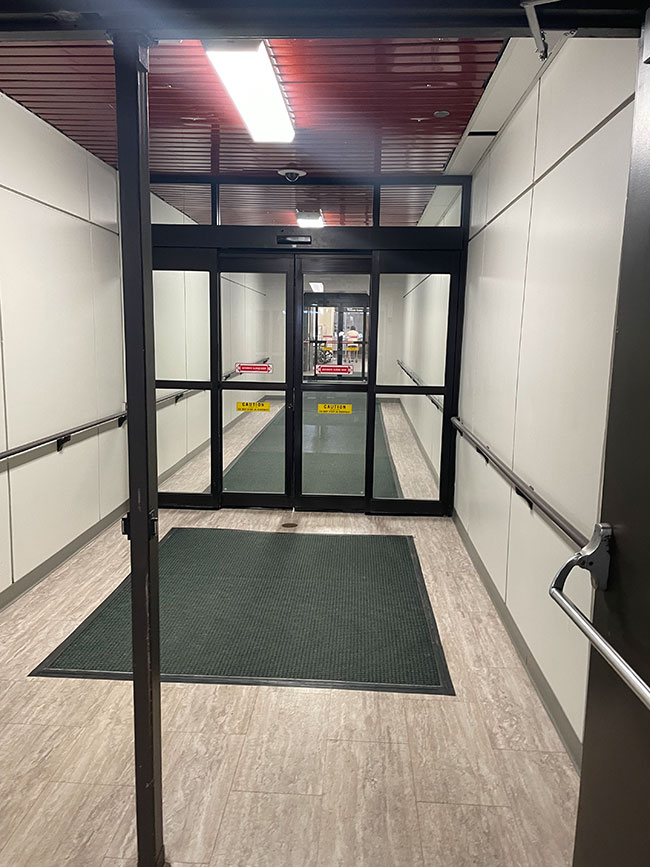
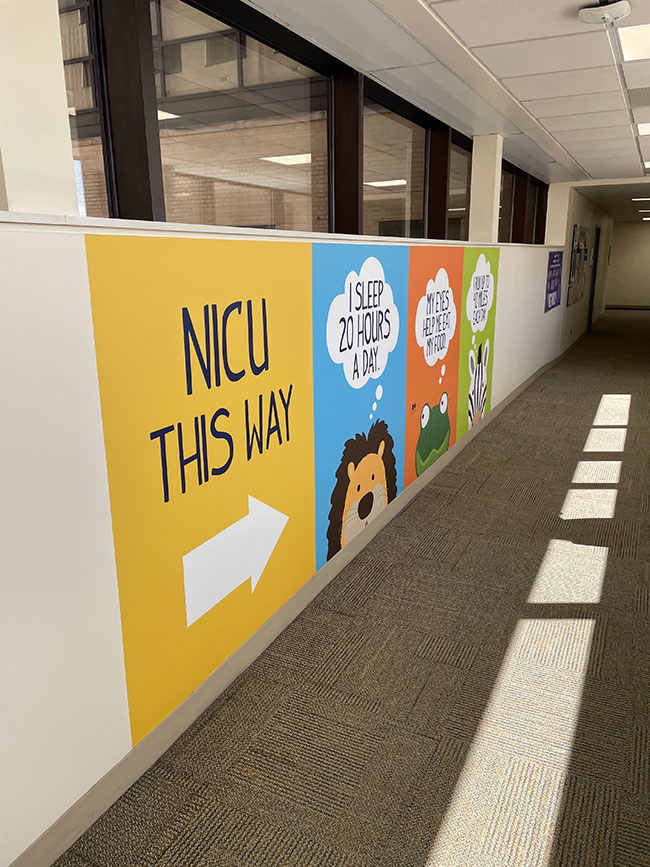
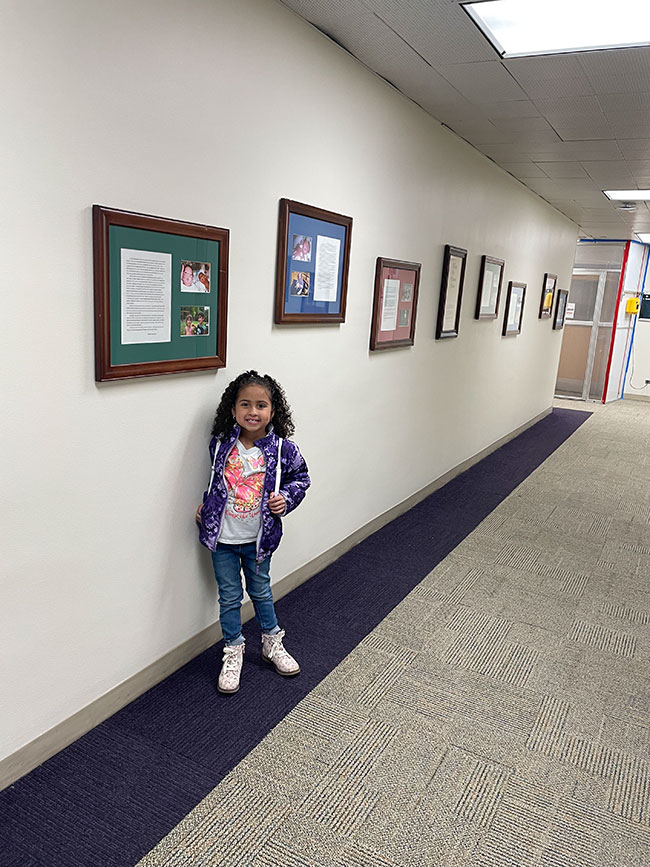
Continuing with the list of forgotten things, I never had the time for what they call “the lying-in period” — those days when you stay home, gazing at the little angel just sent from heaven. After two weeks, I had to leave the hospital and return home. To see her, I had to drive about an hour, placing a pillow between my sore belly and the steering wheel to ease the pain from every bump and pothole in the road. Then, from the parking lot, I had to walk through an endless hallway spanning several levels to reach her room. It would take me another 25 minutes because I had to walk slowly, hunched over from the pain. As I walked, many thoughts raced through my mind: “How is my baby?” “What news will they give me today?” Because every time I arrived, they would update me on what had happened during the night after I had left — and those updates were almost always discouraging. But immediately, I would vaccinate my mind: “No, Tatiana, she is fine. She will be fine. She will come home soon. She will be able to eat. She won’t need tubes or machines to survive. She will live — and she will live beautifully!” The anxiety was overwhelming — the desperate need to get there quickly just to hold her, to pray with her, to worship with her. I knew that every moment spent with her, even with my crazy faith, was a seed — a seed I would one day harvest.
The Empty Space
Coming home was another terrible experience — I came back without my daughter. When I walked through that door, a deep loneliness and sadness overwhelmed me, but I had to hide it because my other little girl was there, waiting for me — waiting for a hug, for a smile, waiting for the mother who returned with a heart torn and crushed. That first night was the worst. I woke up in the middle of the night, and I felt an overwhelming anger. Yes, I got angry with God. That night, I argued with Him. I felt a fury rising from deep inside me. Lying on the floor, with one pillow pressed against my belly to hold my cesarean wound, and another covering my face so no one would hear me scream, I let it all out — all my frustration, all my rage, all my pain, and all my humanity. I questioned God. I demanded answers. I justified myself. I presented my case as if standing before a judge, desperate to understand WHY — why this had happened to me. Why me? They were the most desolate hours of my life. I suppose God patiently waited for the woman blinded by anger to return to her senses and realize she was not speaking to a judge, but to a good, just, and faithful Father.
The Beginning of the Healing Journey
To begin the process with the good, just, and faithful Father, I first had to move past my stage of denial. I had to accept that my daughter had been born with a condition — one of those classified as rare diseases. At the time of her birth, there were only 18 registered cases in the United States and 220 cases worldwide. I had to accept that she was different, a child who would need help to do many things — but she was my child, and it was up to me to offer her the most normal life possible. I understood that, genetically, a condition already existed — a condition I would have to learn about, a condition I would have to learn to challenge. That was the part I had to work on. I decided to start first by working on my own mind, so that later I could help shape hers — a decision that, years later, would bear fruit.