
Many of us think of taste buds as nothing more than tiny receptors that detect flavors. However, research is beginning to confirm what many parents and experienced clinicians have long observed: taste buds have a form of memory. They don’t just recognize flavors—they learn, adapt, and are shaped by repeated experiences from the very beginning of life.
In Georgia’s case, that “oral memory” began developing long before she was able to eat normally by mouth.
The Beginning:
Breast Milk, Even When It Seemed Impossible
From the very beginning, Georgia’s pediatric gastroenterologist held one important conviction: her mouth, tongue, and sensory system needed real oral stimulation. Even during the times when Georgia would vomit or the milk drained back out through her gastrostomy tube, he never gave up on that goal.
From her first days of life, Georgia received my breast milk—not simply as nutrition, but as a complete sensory experience. She experienced its taste, temperature, texture, and smell. Even when her body could not always retain it, her nervous system was still receiving and processing those experiences.
Because sometimes the body is listening, even when it doesn’t yet seem able to respond.
Taste Buds Learn, Too
Taste buds are directly connected to the brain through complex neural pathways. Every early exposure to flavor helps create lasting sensory experiences that contribute to a child’s developing oral memory.
Even when a child tastes only a very small amount, the body begins to learn:
- What food is
- What is not a threat
- Which textures feel familiar
- Which flavors become associated with comfort and safety
This process is especially important for children living with complex conditions such as Berdon Syndrome (MMIHS), where the digestive and neuromuscular systems do not develop or function in the typical way. Early positive oral experiences can help support sensory development, even when nutritional needs are being met through other methods.
Mi Experience
Although many children with Berdon Syndrome are given a prognosis that they may never be able to eat by mouth, Georgia’s gastroenterologist chose to leave room for hope. He believed it was worth giving her every opportunity to develop oral feeding skills, even when the odds seemed overwhelming.
Every four hours, Georgia received 5 mL of my breast milk. It wasn’t just milk—it was the milk I expressed with tears, perseverance, and the unwavering faith that one day she would be able to drink it, even when everything around us seemed to say otherwise.
Little by little, the amount was increased. Every small feeding was another opportunity for her brain, her mouth, and her tongue to experience what eating felt like. It was a gradual process, carefully adjusted over time, always working toward the next small milestone.
It took weeks. Then months.
Those tiny feedings became a quiet way of teaching her brain that food belonged in her mouth—that eating was possible. Day after day, her oral sensory system continued to learn, even when her digestive system could not yet function like that of other children.
And eventually, she did it.
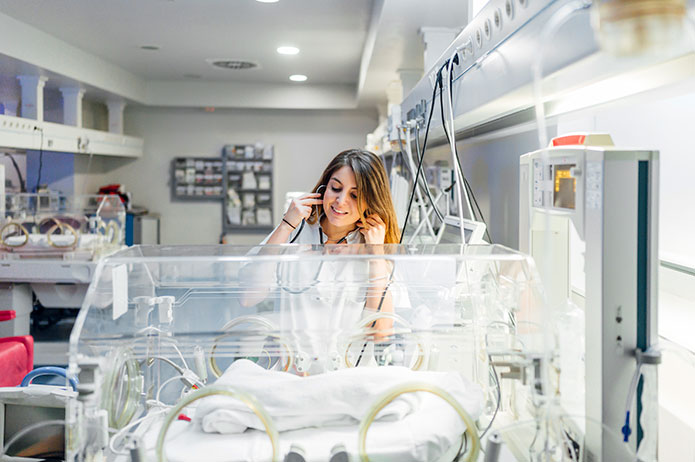
After months of receiving my breast milk and overcoming countless challenges, Georgia was able to begin eating by mouth while continuing to receive Total Parenteral Nutrition (TPN) through her central line for eight hours each day. Oral feeding did not replace her medical treatment, but it became another meaningful step in her journey—one that reminded us that progress is sometimes measured in milliliters, patience, and hope.
A Message to Other Families
If you are walking a path similar to ours, I want to encourage you not to lose hope.
Every child with Berdon Syndrome is unique, and every journey looks different. What worked for Georgia may not be possible—or appropriate—for another child. But one thing I have learned is that progress doesn’t always happen in dramatic moments. Sometimes it comes quietly, one tiny step at a time.
Celebrate every small victory.
A single taste.
A few milliliters.
A new texture.
One less moment of fear.
These milestones may seem small to the outside world, but for families like ours, they can represent extraordinary progress.
We are deeply grateful to the physicians who looked beyond the diagnosis and believed in Georgia’s potential. Their willingness to nurture hope, while providing thoughtful medical care, helped make this part of her journey possible.
Our hope in sharing this story is not to offer a formula or promise specific outcomes, but to remind other families that every child deserves the opportunity to reach their fullest potential, whatever that may look like.
Keep believing.
Keep advocating.
And never underestimate the power of patience, love, and hope.
Today, Georgia reminds us of that!